AI и автоматизация April 11, 2026 6 min read
Why we built the AI Shift Manager (and not another chatbot)
There is no AI feature we are more tired of than a chatbot on a dashboard. Here is why we built the opposite.
There is no AI feature we are more tired of than a chatbot on a dashboard. Here is why we built the opposite.

There is no AI feature we are more tired of than a chatbot on a dashboard.
Every staffing software vendor we looked at last year announced the same thing. “AI” meant they had wired a large language model to a chat input and labeled it something like “Ask Amy” or “Workforce Copilot.” The demos all looked the same. Someone types a question. The bot gives a competent answer. The room nods.
We built the opposite of that. Here is why.
The problem with AI chat in field operations is not that the answers are wrong. The answers are usually fine. The problem is that every chat interaction is, by definition, something a human had to initiate.
A manager has to remember to open the chat. They have to think of the question. They have to type it in. They have to read the answer. They have to act on it. The chat interface saves time on step four but not on steps one through five, and steps one through five are where all the actual bottleneck lives.
Field operations do not break because nobody could find an answer. They break because nobody had time to ask the question.
The Workraft AI Shift Manager is not a chat interface. It is a field-trained agent that watches your live roster, your absence feed, your worker preferences, your certification status, and your site coverage requirements. When something breaks, it does not wait for you to ask. It acts.
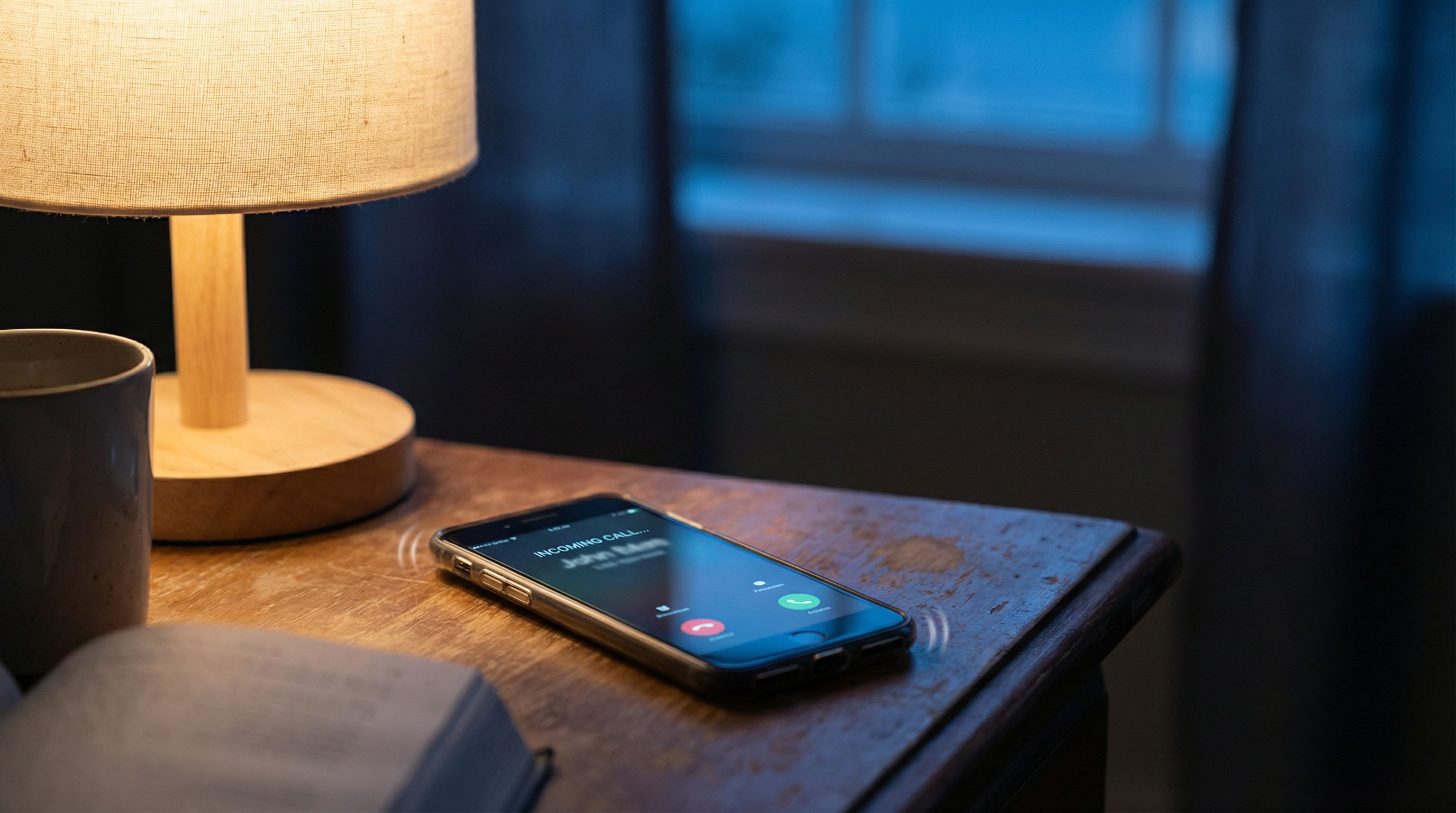
An absence notification arrives at 06:12. By 06:12:05 the agent has scanned 14 eligible candidates against availability, certifications, travel distance, overtime budget, and preferences. By 06:13:00 the best-fit worker has received a notification with shift details and a one-tap confirmation. By 06:14 your roster is updated and your on-call manager has a Slack message that starts with “handled.” You were still asleep for all of it.
No chat interface closes a shift gap. Agents close shift gaps.
We use a simple litmus test internally when we are deciding whether an AI feature is real or marketing.
It is called the 6 AM test. It goes like this. At 6 AM on a Saturday, with nobody logged into the platform, is this feature still doing its job? If the answer is no, the feature is theater. It is a demo artifact that requires a human to press a button before it does anything useful. If the answer is yes, the feature is real.
Almost every AI chat feature fails the 6 AM test instantly. There is nobody to chat with it. The AI Shift Manager, AI Shift Analyzer, and AI View Builder all pass it. They run whether or not you are watching.
The concrete operational wins are not subtle.
Gap-to-fill time drops from an average of 47 minutes on a manual process to under 60 seconds on the agent. Manager phone calls to field workers drop to zero. Coverage holds at 24/7 across every site. The field teams notice immediately. The best workers stop drifting because the operation starts feeling held together again.
The bar we set for ourselves for every AI feature is not “it answered a question.” It is “it closed a shift gap.” That bar is what shipped as the Workraft AI Shift Manager.
Больше заметок с поля.
Подпишитесь и получайте новые статьи на почту.